Biggest sale of the year.
Through July 31, 2026
Celebrate AAD Innovation Academy with us online with our biggest sale of the year.
Melling Medical Partnership
Acuderm is proud to partner with Melling Medical, an SBA-Verified Service-Disabled Veteran-Owned Small Business (SDVOSB), to expand access to our products for federal healthcare providers nationwide.
Through Melling Medical’s FSS and ECAT contracts, federal facilities can now easily procure a wide range of Acuderm products.

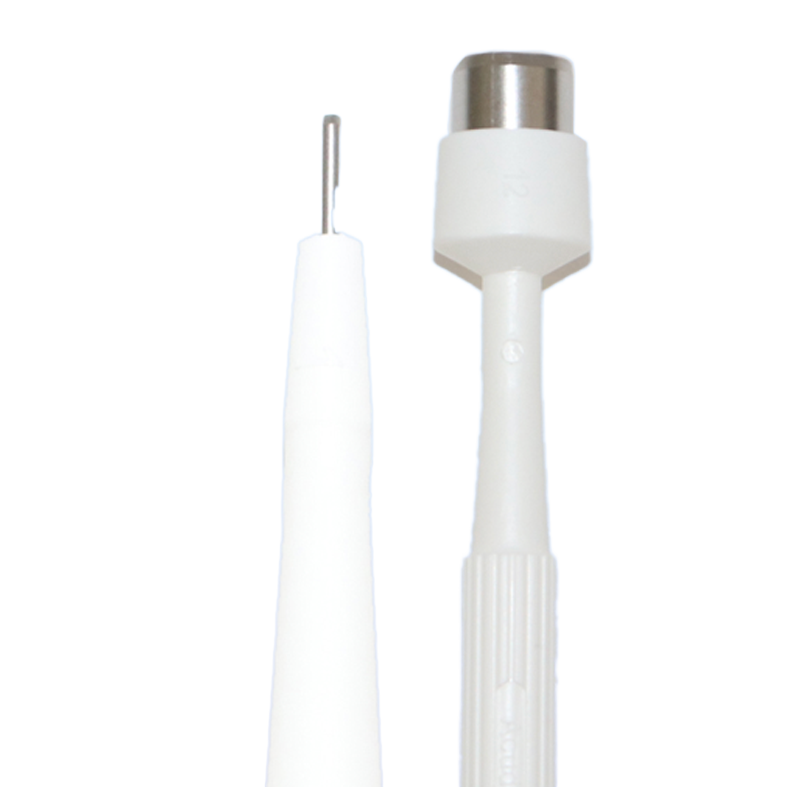
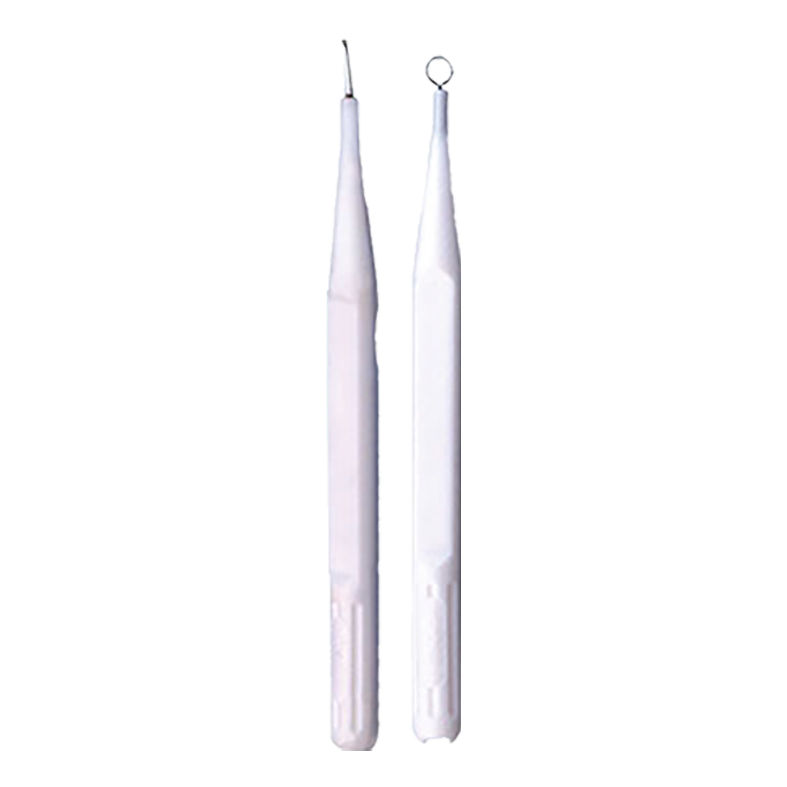
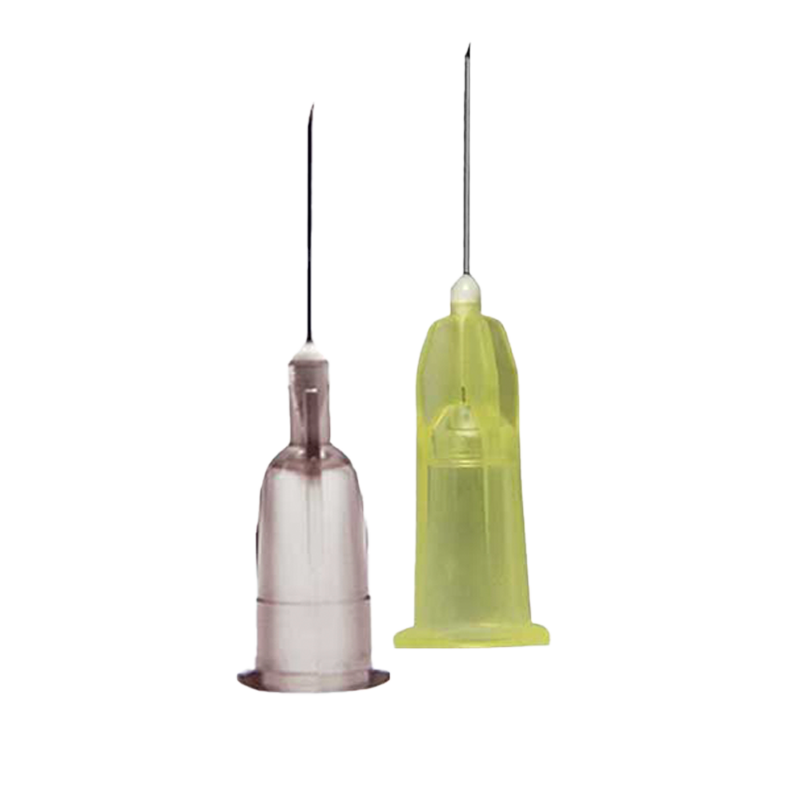
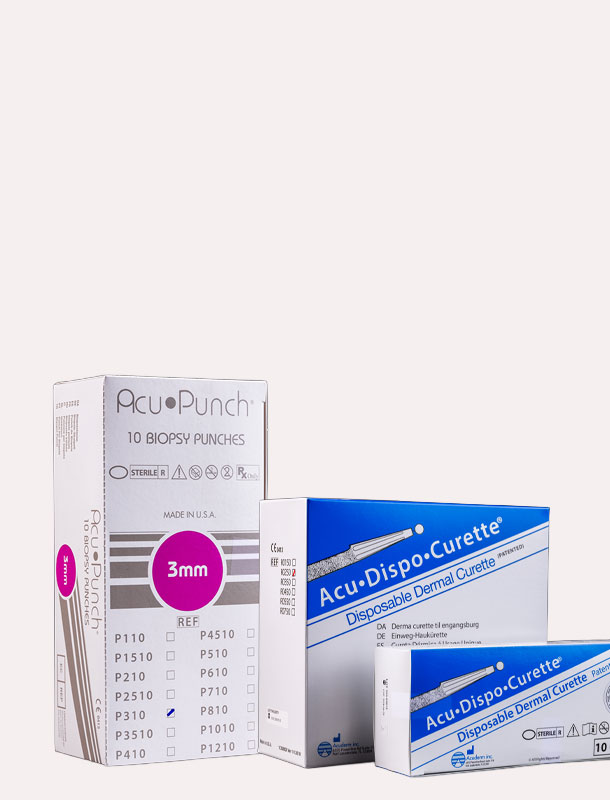
Disposable Punches & Curettes
Proudly made in the USA, Acuderm delivers performance you can rely on — quality, innovation, and value, all at your fingertips. Unlike alternatives, our USA-manufactured biopsy punches feature razor-sharp, seamless stainless steel blades to prevent tissue tracking, ensuring cleaner specimens for pathology.

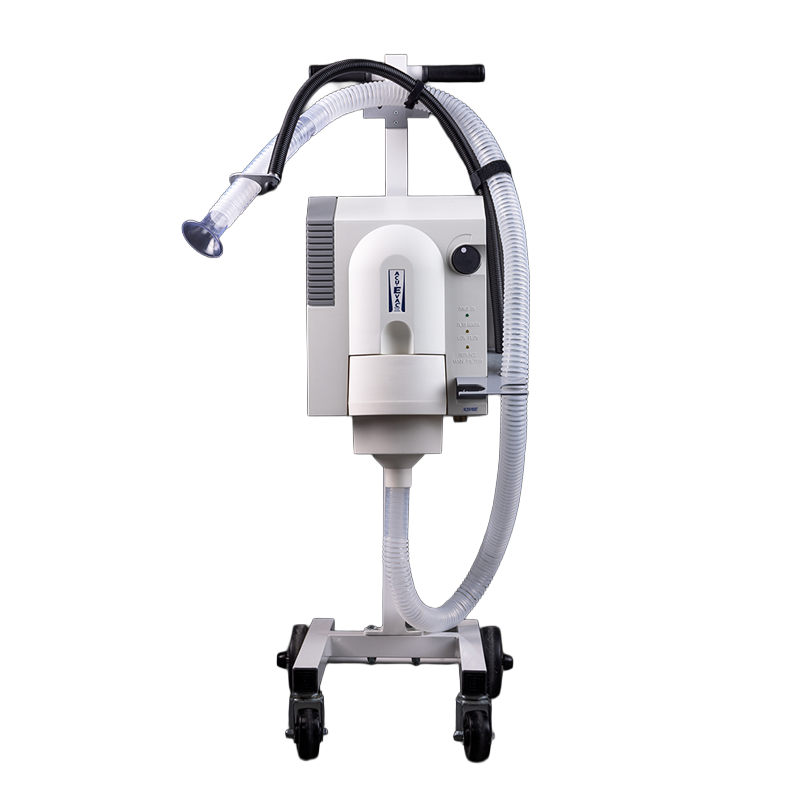
Award-winning, made in the USA, Surgical smoke evacuator
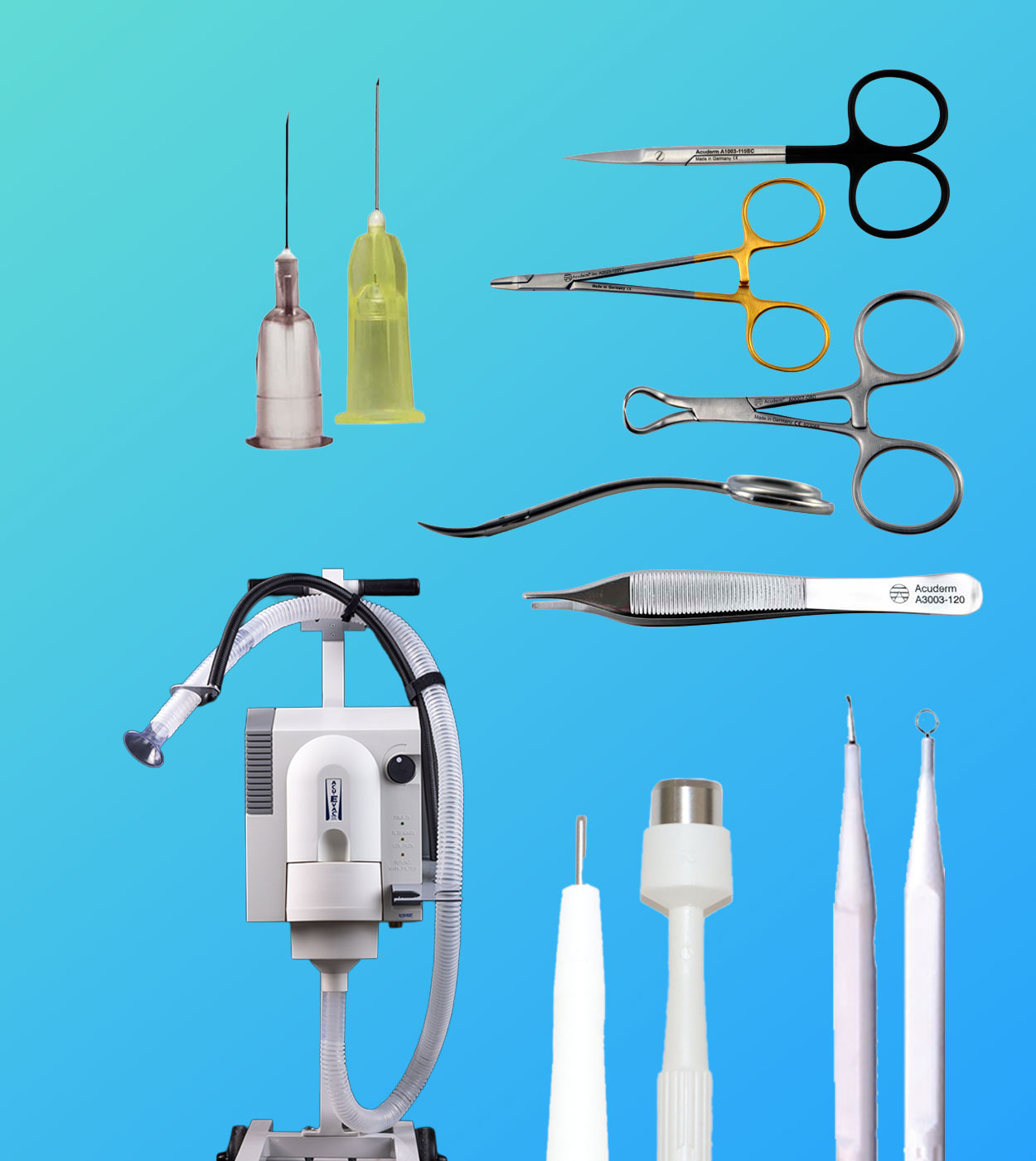
Acu-Evac® is very effective at eliminating surgical smoke which may contain bioaerosols, live and dead cellular matter (including blood droplets) and viruses.
Acu-Evac®’s main filter has an efficiency rating of 99.99997% on particles 0.01 micron and 0.12 micron MPPS. Gases and vapors are absorbed by activated charcoal in the main filter to eliminate the unpleasant odor of surgical smoke.
The Gold Standard in Air Safety: Why ULPA Outperforms HEPA for Surgical Smoke Evacuation
The distinction between HEPA and ULPA lies in the “tightness” of the filter media and the size of the particles they are validated to capture. HEPA Filters: Typically rated to capture 99.97% of particles at 0.3 microns. ULPA Filters: Rated to capture 99.99997% at 0.01 microns and 0.12 microns MPPS (Most Penetrating Particle Size).
Why the 0.01 to 0.12 Micron Range Matters
In dermatology and laser surgery, the “targets” we aim to capture are often much smaller than the 0.3-micron HEPA benchmark.
Surgical Smoke Evacuation Laws by State
This article is a clear, accurate breakdown of which states require surgical smoke evacuation and how strong those requirements are.
Most surgical smoke laws are written around hospitals and ambulatory surgery centers, but the clinical risk of surgical smoke does not change by setting. Dermatology clinics, laser practices, veterinary clinics, and outpatient procedure rooms routinely generate plume using electrosurgery and laser devices.