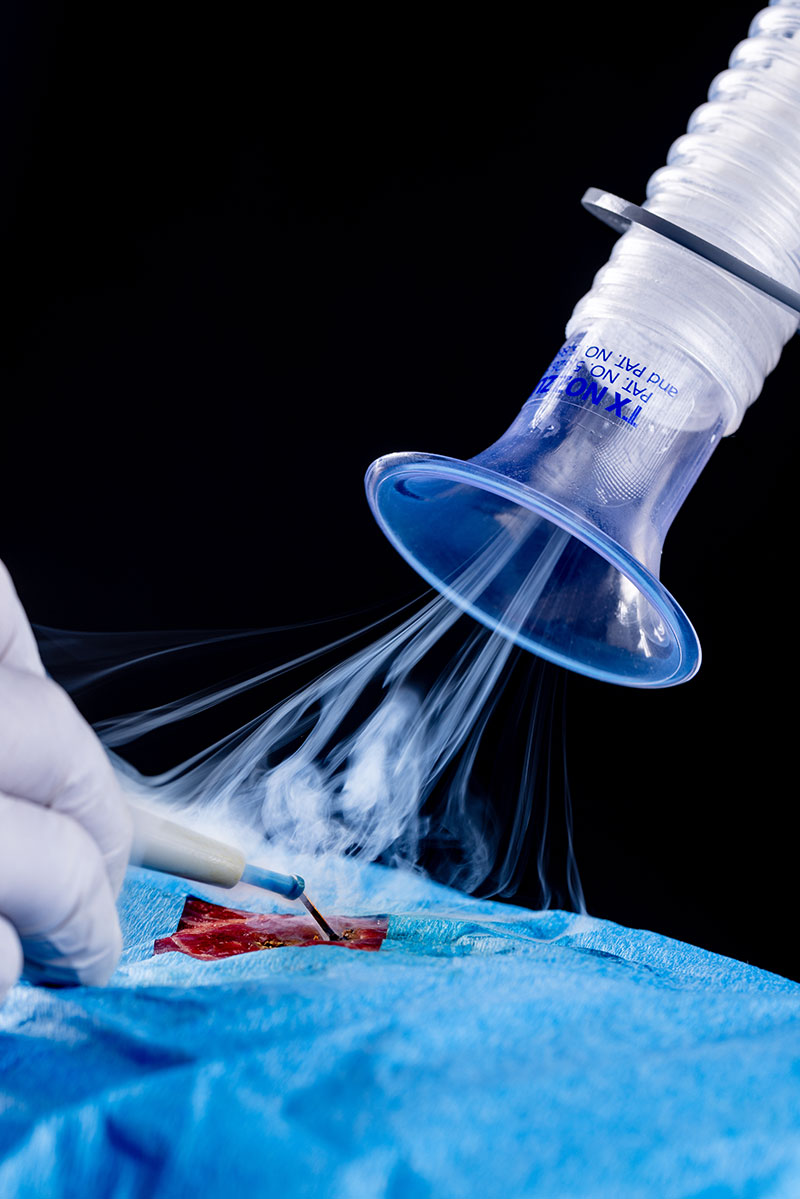
Surgical smoke—also called plume—is an unavoidable byproduct of many procedures that use lasers, electrosurgery, or other heat-producing devices. Research has shown that surgical smoke can contain toxic chemicals, viable cellular material, and viral particles, posing real health risks to clinicians, staff, and patients.
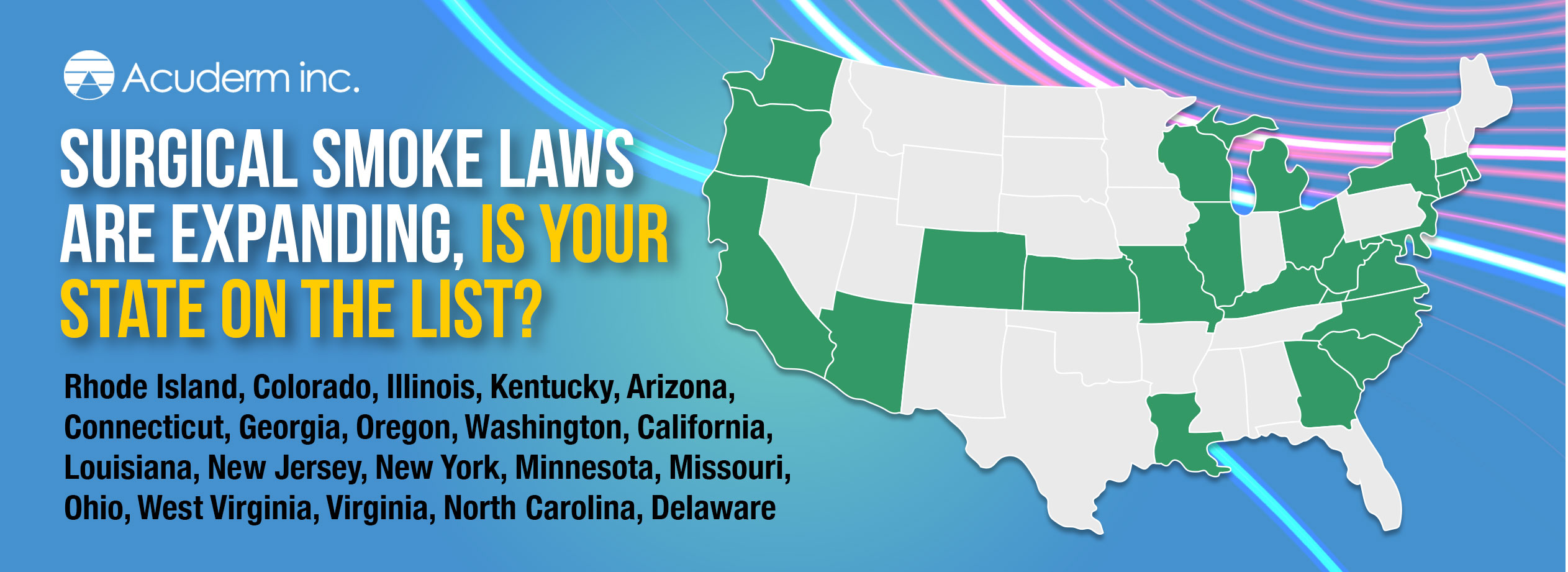
In response, states across the U.S. have enacted laws requiring healthcare facilities to reduce or eliminate exposure to surgical smoke. According to the Association of periOperative Registered Nurses (AORN), 20 states now have enacted legislation addressing surgical smoke evacuation, with several additional laws taking effect in 2026.
Below is a clear, accurate breakdown of which states require surgical smoke evacuation and how strong those requirements are.
Understanding the “Levels” of Surgical Smoke Evacuation Laws
State laws are not all written the same way. To make this easier to understand, we group them into four practical “levels,” based on how explicit the legal requirement is.
Level 1 — Smoke Evacuation Required
These states require hospitals and/or ambulatory surgery centers (ASCs) to use a surgical smoke evacuation or plume scavenging system during procedures that generate smoke.
Level 2 — Exposure Reduction Required
These states require facilities to adopt policies to reduce human exposure to surgical smoke. While evacuation systems are the standard solution, the statutory language is less prescriptive.
Level 3 — Regulation in Development
These states have passed laws requiring the state occupational safety agency to develop a surgical smoke standard, which will ultimately define evacuation requirements.
Level 4 — Enacted, Effective in 2026
These laws are already passed and signed but do not take effect until 2026.
Level 1 — Smoke Evacuation Required (Currently in Effect)
Facilities must adopt and implement policies requiring the use of a surgical smoke evacuation system during smoke-generating procedures.
- Rhode Island (effective Jan 1, 2019)
- Colorado (effective May 1, 2021)
- Illinois (effective Jan 1, 2022)
- Kentucky (effective Jan 1, 2022)
- Oregon (effective Jan 1, 2023)
- New York (effective June 14, 2023)
- New Jersey (effective June 11, 2023)
- Louisiana (effective Aug 1, 2023)
- Arizona (effective July 1, 2024)
- Washington (effective Jan 1, 2024; small rural facilities Jan 1, 2025)
- Connecticut (effective Jan 1, 2024)
- Ohio (effective Oct 1, 2024)
- Minnesota (effective Jan 1, 2025)
- West Virginia (effective Jan 1, 2025)
- Virginia (effective July 1, 2025)
Level 2 — Exposure Reduction Required
These states require facilities to adopt policies aimed at reducing human exposure to surgical smoke. While not always explicit about evacuation equipment, most facilities comply using smoke evacuation systems.
- Georgia (effective July 1, 2022)
Level 3 — Regulation in Development
These states have enacted laws directing workplace safety agencies to create enforceable surgical smoke standards.
- California
Cal/OSHA must propose a surgical smoke standard by Dec 1, 2026, with consideration for adoption in 2027.
Level 4 — Enacted, Effective in 2026
These laws are passed and signed but do not take effect until 2026.
- Missouri (effective Jan 1, 2026)
- North Carolina (effective Jan 1, 2026)
- Delaware (effective April 1, 2026)
What This Means for Dermatology, Laser, and Veterinary Practices
Most surgical smoke laws are written around hospitals and ambulatory surgery centers, but the clinical risk of surgical smoke does not change by setting. Dermatology clinics, laser practices, veterinary clinics, and outpatient procedure rooms routinely generate plume using electrosurgery and laser devices.
For many practices, adopting smoke evacuation:
- Aligns with AORN guidance and best practices
- Reduces staff exposure to toxic byproducts
- Supports compliance as regulations continue to expand
- Demonstrates a commitment to staff and patient safety
As more states move toward explicit evacuation requirements, smoke evacuation is rapidly becoming a baseline expectation rather than an optional add-on.